











Resource library

Explore our open-access publications, briefs, educational materials, and technical guides.

FILTERS

RESOURCE TYPE

THEME

LEARNING KITS

Loss & Damage Hub

Helping impacted communities, advocates, and decision-makers address the loss and damage caused by climate change.

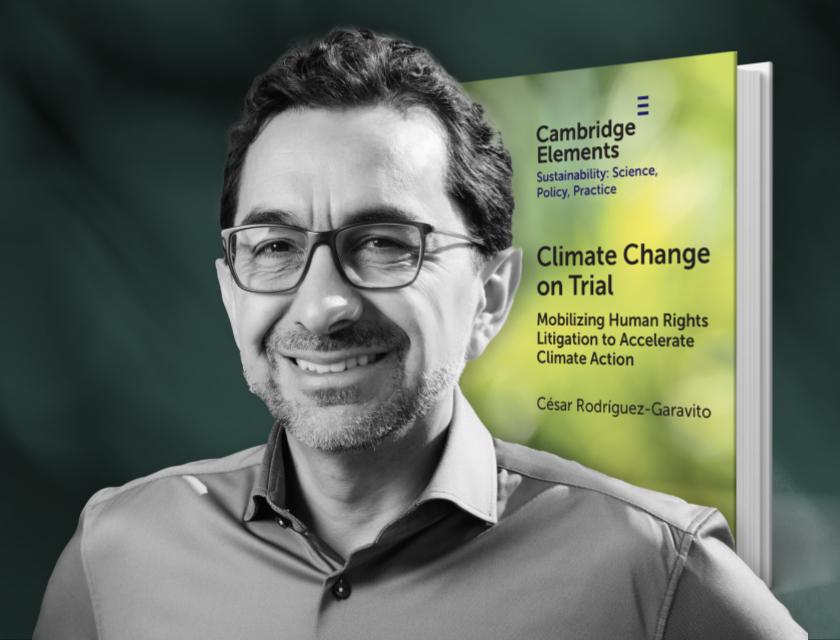
Climate Change on Trial

From landmark court decisions to emerging legal strategies, explore two decades of rights-based climate litigation through a comprehensive learning platform. Start with the free Coursera course, explore in-depth and digestible video explainers, or download the open-access Climate Change on Trial book in English, Spanish, or Portuguese.
Cape High Court in Cape Town, frontal view. Established in 1828.

Addressing the Climate Emergency: The Untapped Potential of South African Constitutional Law

How can South African constitutional law strengthen climate litigation? This article examines cases challenging fossil fuel projects, identifies gaps in litigation over climate policy and adaptation, and explores the potential of environmental rights, socioeconomic rights, and corporate accountability.

Climate Science in Legal Contexts: A Glossary of Key Terms for Lawyers

The UCS Science Hub for Climate Litigation, in collaboration with the NYU Climate Law Accelerator (CLX) and LSE Grantham Research Institute, has published a new resource to help lawyers navigate the use of climate science in law. This document provides explanations for scientific terminology commonly used in climate litigation, highlighting how lawyers can understand these concepts in legal contexts.

Amicus Brief on the Obligations of States with Respect to the Climate Change Crisis

In an amicus brief to the African Court on Human and Peoples’ Rights, CLX explains how the human right to a clean, healthy, and sustainable environment applies to the climate crisis.

Report: Loss and Damage Litigation Against Carbon Majors

CLX’s first report on climate-change-induced Loss and Damage identifies key strategies and challenges across litigation against Carbon Majors. It examines pending cases, including the defendants named, jurisdictions chosen, theories of liability advanced, evidence presented, and remedies sought.

Post-hearing Brief to the U.S. Occupational Safety and Health Administration Regarding Heat in the Workplace

This post-hearing brief recommends changes to OSHA’s proposed workplace heat standard, including clearer requirements for drinking water, rest areas, and multilingual training. Drawing on evidence from Puerto Rico’s public schools, it also explains why teachers in overheated classrooms need protection from hazardous heat.

Part 4: Climate Change on Trial: Mobilizing Human Rights to Accelerate Climate Action

What happens after a climate case reaches court? Part 4 of Climate Change on Trial examines how rights-based litigation can change policy, strengthen climate movements, and reshape public understanding—even when a ruling is difficult to implement. It also considers backlash and the limits of litigation as a tool for climate action.

Part 3: Climate Change on Trial: Mobilizing Human Rights to Accelerate Climate Action

Drawing on a global study of 467 cases filed through 2024, Part 3 of Climate Change on Trial examines the growth of rights-based climate litigation, the legal arguments shaping it, and the gaps that remain in cases concerning adaptation and climate-related loss and damage.

Part 2: Climate Change on Trial: Mobilizing Human Rights to Accelerate Climate Action

How did climate change become a human rights issue in court? Part 2 of the Climate Change on Trial video series traces the path from a pioneering Inuit petition to rights-based climate cases around the world. It explains how advocates brought climate science, international goals, and human rights law together to challenge government inaction.

Part 1: Climate Change on Trial: Mobilizing Human Rights to Accelerate Climate Action

Part 1 of the Climate Change on Trial video series traces the rise of rights-based climate litigation and examines two landmark advisory opinions issued in July 2025. It explains how the Inter-American Court of Human Rights and the International Court of Justice clarified States’ climate obligations and opened new avenues for legal accountability.

The IACHR’s Advisory Opinion on Climate Change and Human Rights

Days after the Inter-American Court of Human Rights released its advisory opinion on the climate emergency, CLX convened experts to examine its implications for climate rights and State obligations. The discussion explores the opinion’s treatment of future generations, corporate regulation, science, and access to justice—and the questions advocates must address as they put it into practice.

Report: The Role of Attribution Science in Legal Action on Loss and Damage

Written in collaboration with the Union of Concerned Scientists (UCS), the Climate Law Accelerator’s latest report breaks down and analyzes the role attribution science can play in legal action relating to climate change-induced loss and damage.
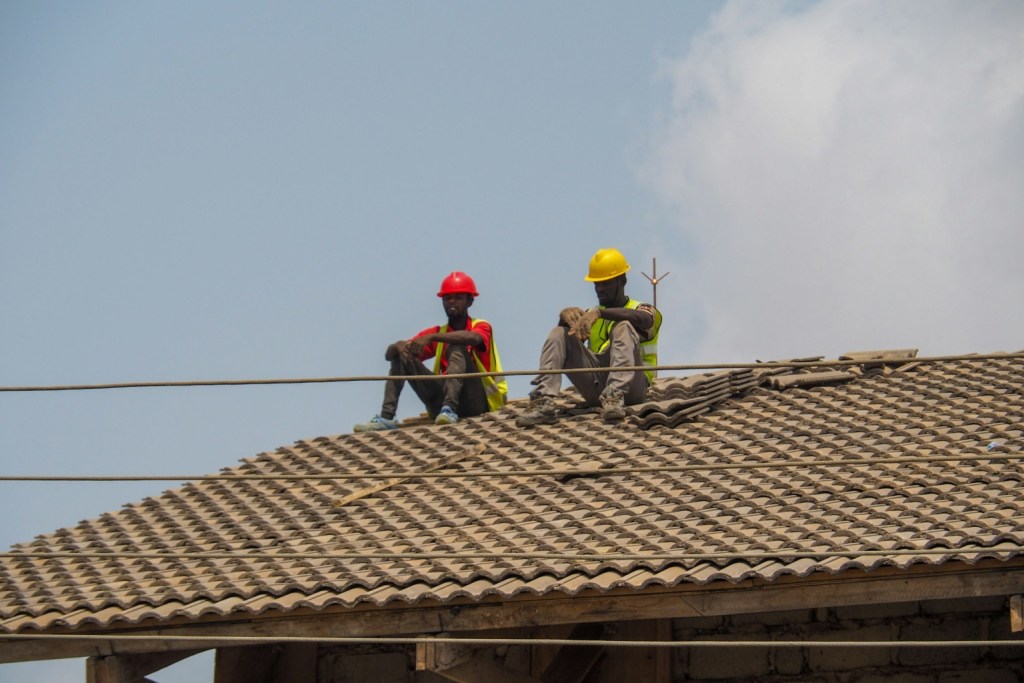
Two construction workers wearing hard hats and reflective vests sit on a tiled roof beneath an open sky.

Public Comment to the U.S. Occupational Safety and Health Administration Regarding Heat in the Workplace

This public comment supports OSHA’s proposed workplace heat standard and recommends stronger protections for indoor and outdoor workers. Its proposals address heat monitoring, access to water and rest, paid breaks, indoor heat, and safety plans that workers can understand and help shape.

Amicus Brief on the Yasuní Judgment

An amicus brief to Ecuador’s Constitutional Court calls for full and timely enforcement of the 2023 vote to end oil extraction in Yasuní National Park’s Block 43. It argues that financial and administrative concerns cannot override the referendum or the Court’s orders protecting nature and Indigenous peoples in voluntary isolation.

The Climate Cover-Up: Seeking Compensation for Corporate Deception

In this CLX webinar, Ben Franta examines what fossil fuel companies knew about climate change, how they communicated its risks, and the evidence behind U.S. lawsuits seeking compensation for climate-related costs and accountability for alleged deception.
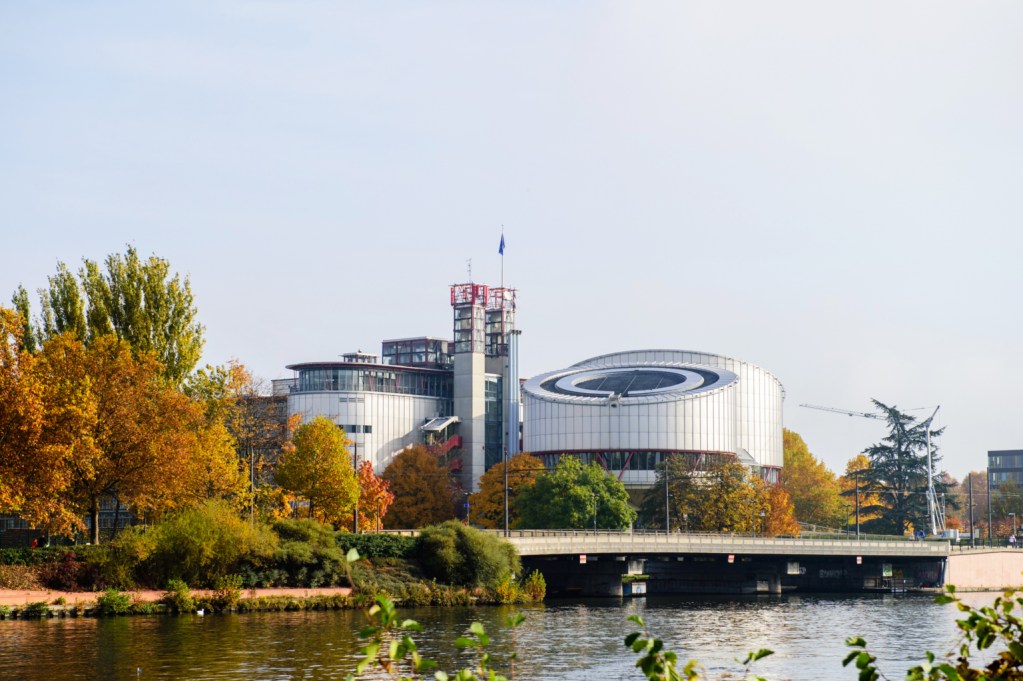
European Court of human Rights building near Ill river in Strasbourg, Alsace, France

European Court of Human Rights Affirms CLX Position in KlimaSeniorinnen v. Switzerland

In the lead up to the Court’s ruling, César Rodríguez-Garavito, Professor at NYU Law and Director of CLX and Christina Voigt, Professor at the University of Oslo and Chair of the IUCN World Commission on Environmental Law submitted an intervention that covers procedural and substantive issues central to the case.

Amicus Brief on Corporate Accountability for the Climate Crisis

This joint amicus brief asks the Inter-American Court of Human Rights to clarify States’ and businesses’ responsibilities for corporate conduct that drives climate change or obstructs climate action. Focusing on fossil fuels and agroindustrial deforestation, it examines emissions, misinformation, regulation, and remedies through the lens of human rights.

The Rise of Climate Litigation

In this CLX webinar, Ian Fry discusses how climate litigation can advance corporate accountability and address loss and damage, while examining barriers to justice, the rights of environmental defenders, and legal protections for future generations.

A Rights Turn in Biodiversity Litigation?

Can rights-based lawsuits help protect biodiversity? This article examines 49 cases across 20 jurisdictions, identifying emerging claims based on human rights, Indigenous peoples’ rights, and the rights of nature—and the questions courts and advocates must still address.

Amicus Brief on Climate and Human Rights

In an amicus brief to the Inter-American Court of Human Rights, CLX examines how international climate commitments and human rights law together clarify states’ duties during the climate emergency. The brief argues that protecting human rights requires ambitious and timely climate action, enforceable safeguards, and particular attention to people facing heightened risks.

Full-Day Dialogue with High-Level Judges on Climate Law and Science

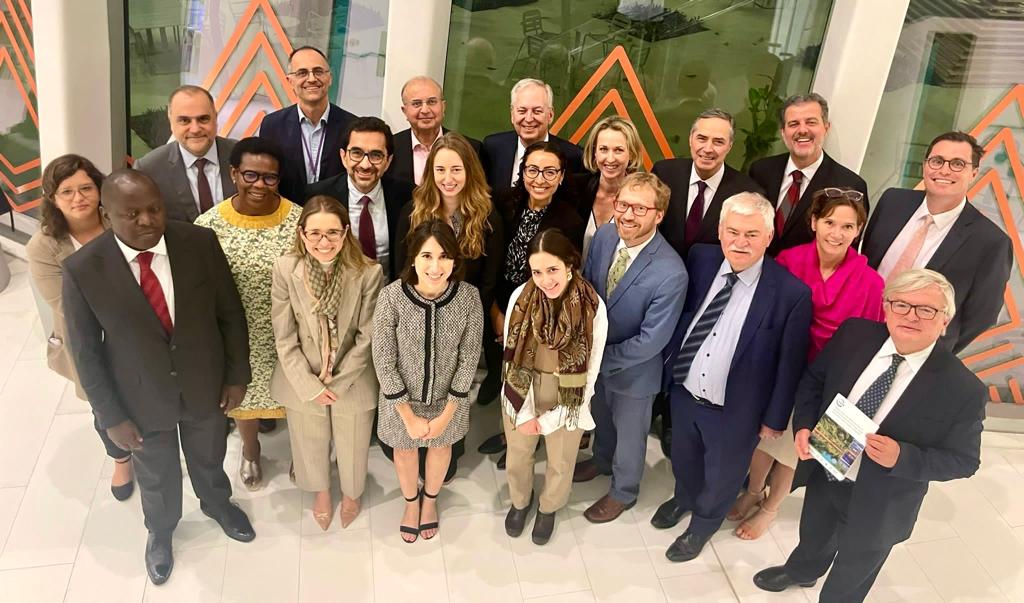
On 9 December, CLX and the Global Judicial Institute on the Environment (GJIE) co-hosted the “Dialogue on the Latest Scientific and Legal Developments in Climate Change Law” with Justices of the Supreme and Constitutional Courts of Belgium, Brazil, Kenya, Nepal, Pakistan, and South Africa, as well as other experts in the field.

Historic Victory in Held v. Montana

Following the 2023 trial court ruling, CLX hosted a webinar with Phil Gregory, counsel for the youth plaintiffs and Of Counsel with Our Children’s Trust, about Held v. Montana and its implications for rights-based climate litigation.

The Climate Rule of Law: Advancements in Climate Law from the Hawai’i Electric Light Company Case

Following the Hawaiʻi Supreme Court’s 2023 biomass decision, CLX convened former Justice Michael Wilson and Our Children’s Trust Executive Director Julia Olson to discuss the right to a life-sustaining climate, the scrutiny of proposed carbon offsets, and how constitutional climate claims can inform future cases.

What’s Next for the ICJ Climate Advisory Opinion?

In this webinar, CLX speaks with Kevin Chand, then a legal adviser to Vanuatu’s UN mission, about the Pacific youth-led campaign for an ICJ climate advisory opinion. The conversation explores the resolution’s legal questions, the coalition behind its adoption, and the roles of states and civil society in the proceedings.

The Climate Emergency Before the UN Human Rights Committee: Torres Strait Islanders Petition

In this CLX webinar, Human Rights Committee member Hélène Tigroudja discusses the Torres Strait Islanders’ climate petition against Australia, the Committee’s findings on home and cultural rights, and the questions the decision leaves for future climate litigation.

Litigating Future Fossil Fuels: How a South African Case Prevented Fossil Fuel Exploration

Natural Justice lawyers Melissa Groenink and Lucien Limacher discuss how Wild Coast communities challenged Shell’s planned seismic surveys, the importance of meaningful consultation, and what the case reveals about intervening early in fossil fuel exploration.

A “Paris Moment” for Biodiversity? Biodiversity and Climate Action After the Montreal Agreement

David Boyd and César Rodríguez-Garavito examine the Montreal biodiversity agreement’s implications for human rights, litigation, Indigenous-led conservation, and financing—and why protecting biodiversity requires confronting overconsumption and inequality alongside climate change.

Litigating the Climate Emergency: What’s Next? – Youth Session

Youth climate advocates Solomon Yeo, Ridhima Pandey, and Laura Jiménez discuss an international advisory opinion campaign, litigation in India, and the Colombian Amazon case. Their experiences show how young people use the law to press for climate action—and why timely decisions, implementation, and sustained support matter after a case begins.

Litigating the Climate Emergency: What’s Next? – Practitioners’ Session

Climate litigators examine the achievements, challenges, and future of rights-based climate litigation. This practitioners’ session explores influential cases, emerging legal norms, and gaps in the field as advocates seek to secure more ambitious climate action.

Gold Mining and Violence in the Amazon Rainforest

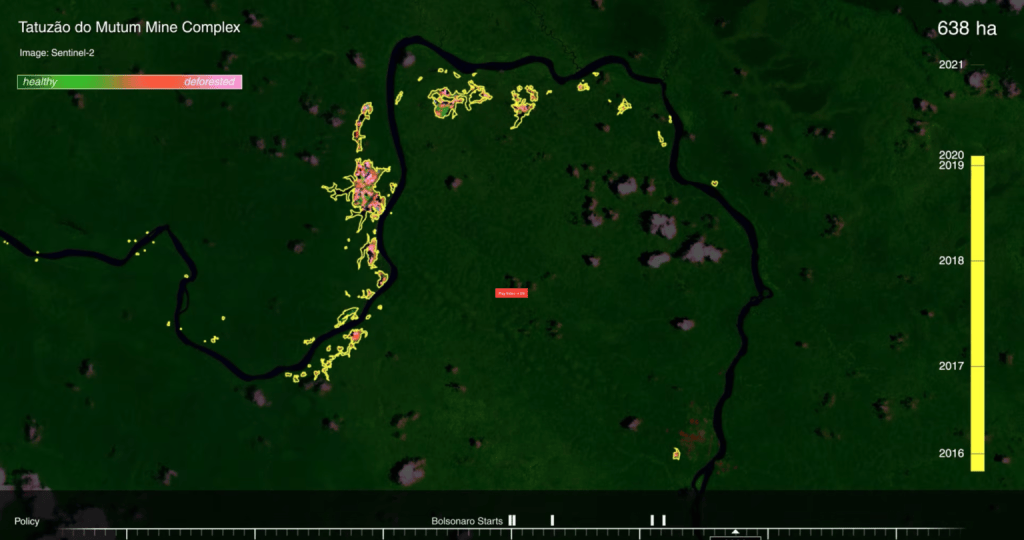
Based on work supported by Stitching Foundation for International Law for the Environment (FILE), through a grant to CLX, Forensic Architecture investigated the expansion of illegal gold mining in Yanomami territory in Brazil’s Amazon rainforest. Combining satellite imagery, policy analysis, and reconstructions of attacks on a Yanomami village, the project traces how forest destruction and violence unfolded alongside policies adopted under the Bolsonaro administration.

Only One Way Out: Reducing Short-Lived Climate Pollutants to Curb Warming Before It’s Too Late

In this webinar, CLX and IGSD experts examine why cutting methane and other short-lived climate pollutants alongside CO₂ could slow warming sooner. They discuss the science behind that strategy and how litigants might address pollution from fossil fuel operations, agriculture, waste, and refrigerants.

Youth in Focus: Youth Activism’s Role in Pushing Climate Action Forward

Youth climate leaders Xiye Bastida, Disha Ravi, and Ayisha Siddiqa discuss environmental justice, the risks of organizing, fossil fuel industry influence, and the legal and financial support young activists need to advance climate action.

Climatizing Human Rights: Economic and Social Rights for the Anthropocene

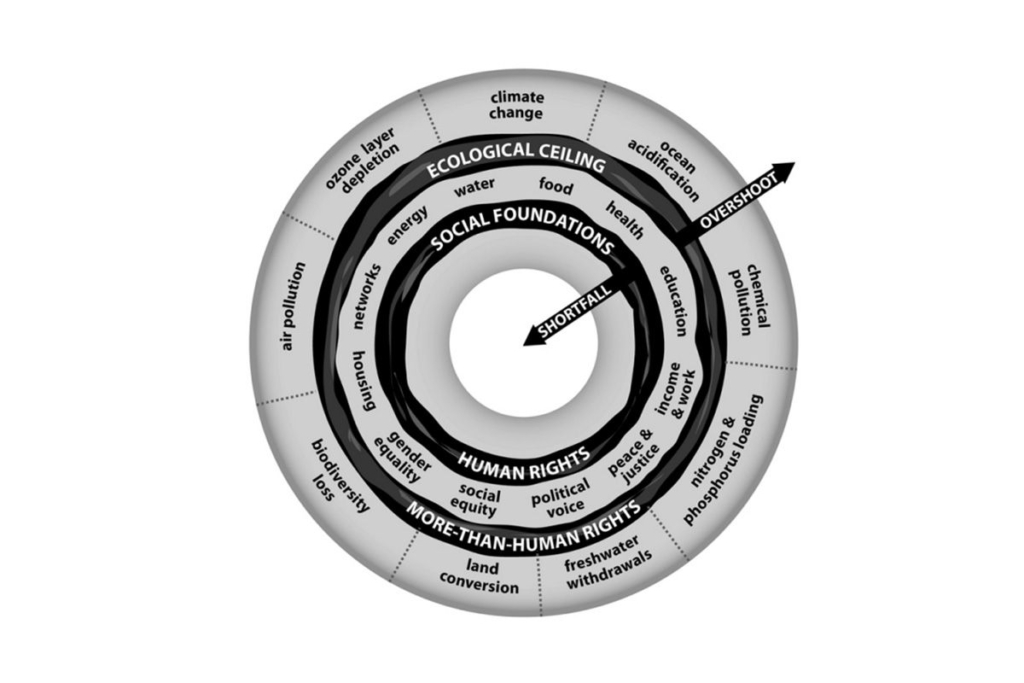
How can economic and social rights protect people from climate harm while confronting the economic activity that causes it? This paper proposes two complementary paths: applying existing rights to climate impacts and climate policy, and expanding those rights to account for planetary limits, future generations, and the more-than-human world.

Youth Climate Anxiety: Implications for Litigation

In this CLX webinar, a psychiatrist, a human rights scholar, and an advocate examine what a global study of youth climate anxiety reveals about present psychological harm. They discuss how that evidence could inform climate litigation, the barriers such claims face, and responses that address the sources of young people’s distress.

Putting an End to New Fossil Fuel Infrastructure: Confronting EACOP

In this CLX webinar, Natural Justice’s Mark Odaga and climate accountability researcher Richard Heede examine the challenge to the East African Crude Oil Pipeline. They discuss its effects on communities and ecosystems, the emissions omitted by narrow pipeline assessments, and the role of scientific evidence in litigation over new fossil fuel infrastructure.

Big Coal Feels the Heat: The Sharma Case and the Role of Litigation in Keeping Coal in the Ground

In this CLX webinar, members of the Sharma legal team examine the young plaintiffs’ duty of care claim, the evidence of climate harm presented to the court, and the relationship between litigation and youth climate organizing.

Taking Big Oil to Court: Lessons of the Shell Case for Climate Litigation Against Corporations

Recorded after the 2021 trial court ruling in Milieudefensie v. Shell, this CLX webinar examines the Dutch duty of care, human rights, and the emissions associated with fossil fuel products. Sjoukje van Oosterhout and Laura Burgers discuss the arguments behind the case and the challenges of turning a court decision into corporate action.

The Legal Recognition of the Rights of Nature: Perspectives from the Global South

How can the rights of nature move from constitutional text and court judgments into practice? Ramiro Ávila and Viviana González compare Ecuador’s constitutional approach with Colombia’s Atrato River case, examining the role of communities, the obstacles to implementation, and the limits of legal recognition alone.

Amicus Brief on States’ Human Rights Obligations as Shaped by the Paris Agreement and Victim Status for Particular Groups like the Elderly in Climate Cases

In an intervention before the European Court of Human Rights, CLX, the Center for Human Rights and Global Justice, and Professor Christina Voigt examine whether older adults can qualify as victims in climate cases. The brief also considers how the Paris Agreement informs states’ human rights obligations to reduce emissions with sufficient speed and ambition.
Hammer judge gavel and world globe in courtroom with white wall background. World court, International Court of Justice (ICJ) concept. World court adjudicates general disputes between countries.

Litigating the Climate Emergency: The Global Rise of Human Rights-Based Litigation for Climate Action

How can human rights law help turn international climate goals into action at home? Drawing on climate cases filed worldwide through 2021, this article examines how litigants use the Paris Agreement and climate science to challenge government inaction. It also identifies gaps in litigation concerning adaptation, corporate responsibility, and future climate harms.

Rights of the Future: Innovations & Global Implications of the German Constitutional Court’s Ruling

In this webinar, CLX examines the German Federal Constitutional Court’s 2021 climate ruling with Lisa Göldner, Michaela Hailbronner, and Mattias Kumm. Their discussion explores future freedom, carbon budgets, international cooperation, and the challenge of turning stronger climate targets into actual emissions reductions.

Is There a Rights Turn in Biodiversity Litigation? Lessons from Climate and Environmental Advocacy

What can biodiversity advocates learn from rights based climate litigation? In this webinar, David R. Boyd and César Rodríguez-Garavito discuss cases protecting mangroves and the Colombian Amazon, along with the challenges of corporate accountability, effective court remedies, and respecting Indigenous rights in conservation.

Climate Change on Trial Before the European Court of Human Rights

Six Portuguese young people brought a climate case against 33 European states. In this webinar, Gerry Liston and Paul Clark discuss the applicants’ arguments about shared responsibility, each country’s fair share of climate action, and access to the European Court of Human Rights.

Disaster Capitalism and the Climate Emergency: Lessons from Barbuda

After Hurricane Irma displaced Barbuda’s residents, disputes over communal land, airport construction, and luxury development intensified. In this webinar, Sophia Perdikaris, Trevor Walker, and John Mussington examine what recovery means when decisions about land, cultural heritage, and climate resilience are made without the community’s meaningful participation.

Saving the Amazon through Human Rights Litigation?

In this webinar, Brazilian legal and policy experts examine lawsuits seeking to restore climate funding, maintain enforcement against Amazon deforestation, and implement existing climate laws. Their discussion connects forest protection with Indigenous and traditional communities’ rights, scientific evidence, and the proposed right to a stable climate.

Holding Fossil Fuel Companies Accountable

Explore the Philippines’ landmark Carbon Majors inquiry and its lessons for corporate climate accountability, including how emissions attribution, evidence of industry knowledge, and human rights standards can inform litigation and advocacy.