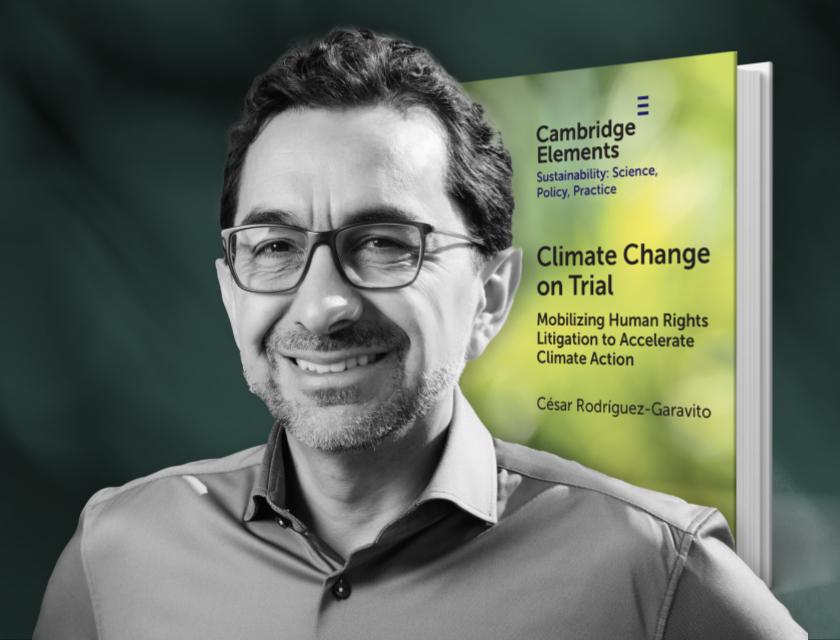
In Part 1 of the video series accompanying Climate Change on Trial: Mobilizing Human Rights Litigation to Accelerate Climate Action, Professor César Rodríguez-Garavito examines a turning point in international climate law. In July 2025, the Inter-American Court of Human Rights and the International Court of Justice (ICJ) issued advisory opinions within weeks of each other, addressing how States’ legal obligations apply to the climate emergency.
The video places these opinions in a longer history. In 2005, Inuit leaders and their lawyers brought a pioneering climate and human rights petition before the Inter-American Commission on Human Rights. Over the following two decades, rights-based climate litigation spread across domestic and international courts. Rodríguez-Garavito traces how cases, advocacy, and scientific evidence helped bring questions once seen as outside human rights law before two of the world’s leading courts.
The Inter-American Court’s opinion recognized a right to a healthy climate derived from the right to a healthy environment. It also addressed the protection of Nature, the interests of future generations, States’ duties to regulate businesses, and the need for adaptation to climate impacts already occurring. The ICJ’s opinion examined States’ obligations across climate treaties, human rights law, the law of the sea, and customary international law. It drew on the best available climate science and explained how a breach of those obligations could give rise to State responsibility and, where the legal requirements are met, reparation.
Rodríguez-Garavito also emphasizes the people who helped bring these questions before international courts, including the Pacific Island youth campaign that pressed for the ICJ advisory opinion. Together, the decisions provide legal guidance that advocates and courts can use as they connect climate action with human rights, biodiversity, and the protection of Nature.