In this CLX webinar, a psychiatrist, a human rights scholar, and an advocate examine what a global study of youth climate anxiety reveals about present psychological harm. They discuss how that evidence could inform climate litigation, the barriers such claims face, and responses that address the sources of young people’s distress.
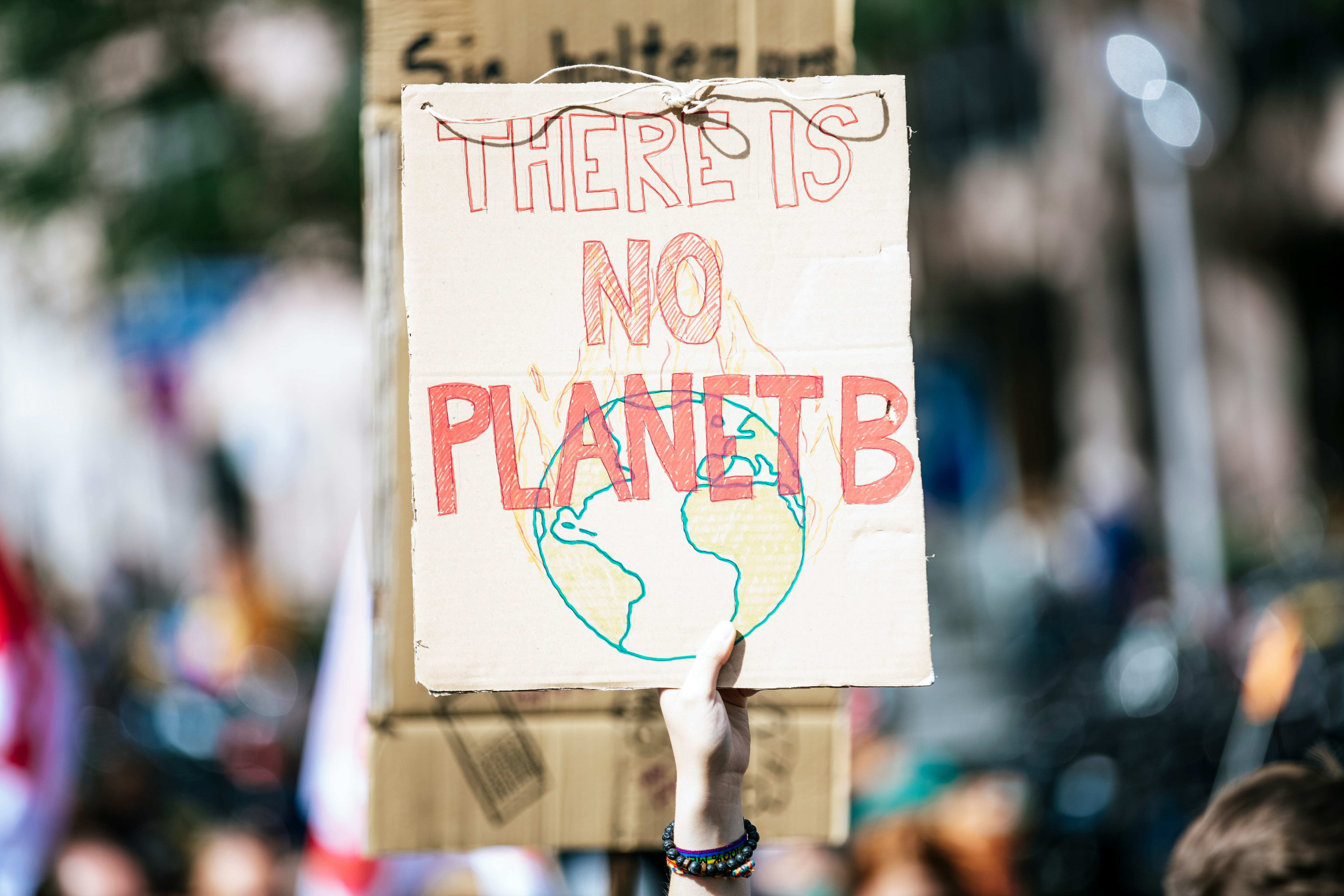
Credit: Markus Spisk / Unsplash

What does climate anxiety reveal about the harm young people are experiencing now, and how might that evidence shape climate litigation? In this 2022 CLX webinar, psychiatrist Lise Van Susteren, human rights scholar Natasa Mavronicola, and Avaaz legal officer Ruth Delbaere discuss the psychological impacts of climate change and the legal arguments that could follow from them.

Van Susteren examines a global study of 10,000 people aged 16 to 25 across ten countries that she coauthored. Among those surveyed, 59% were very or extremely worried about climate change, more than 45% said their feelings negatively affected their daily life and functioning, and 75% described the future as frightening. The study also found an association between greater distress and perceptions that governments were responding inadequately. The survey documents participants’ experiences; it does not, on its own, establish legal responsibility for an individual’s distress.

The panel asks what changes when psychological harm is understood as a present impact of climate change, rather than only a concern about future physical harm. Mavronicola explores whether severe distress, together with state action or inaction, could support claims under the prohibition of inhuman or degrading treatment. Delbaere considers how the research might strengthen youth-led cases and help advocates bring young people’s experiences into public debate. These are legal arguments discussed by the speakers, not findings that a court made in this webinar.

The speakers also confront practical barriers: how applicants demonstrate that they are personally affected, how responsibility is attributed, and whether a case must first proceed through domestic courts. Their discussion uses the Portuguese youth case, Duarte Agostinho and Others v. Portugal and 32 Others, which was pending when the webinar was recorded. In April 2024, the European Court of Human Rights declared that application inadmissible on jurisdictional and domestic-remedy grounds; it did not decide the proposed psychological-harm claim on its merits.

The webinar closes with a question about remedies. The panel considers support for young people experiencing distress, while emphasizing their argument that effective responses must also address the climate policies and conditions contributing to it. The discussion is useful for anyone working to connect evidence about youth mental health with climate advocacy, legal claims, and meaningful action.

Highlights

The study surveyed 10,000 people aged 16 to 25 in ten countries. More than 45% reported that their feelings about climate change negatively affected their daily life and functioning, while 75% said the future was frightening. The webinar uses these findings to examine psychological distress as a current experience for many young people, including those who have not suffered a direct physical climate impact.

Respondents who perceived government responses as inadequate also reported greater climate-related distress and feelings of betrayal. That relationship matters to the panel’s discussion of accountability. It is an association in survey responses, however, and does not by itself prove that a particular government action caused a particular person’s psychological harm.

A claim based only on future harm may face questions about how certain or immediate that harm is. The speakers suggest that evidence of distress affecting young people’s lives now can help explain why a claim concerns present well-being, even though the climate impacts they fear may intensify later. Litigants would still need to satisfy the court’s requirements for evidence and standing.

Mavronicola explores whether severe psychological suffering, combined with state policies or failures to act, could fall within this human rights protection. She discusses arguments concerning living conditions, government awareness of harm, and the treatment of younger generations. The webinar presents this as a proposed legal argument, not an established ruling that climate anxiety automatically violates this prohibition.

The panel identifies several: showing how individual applicants are affected, connecting their harm to the conduct challenged, establishing a court’s jurisdiction, and meeting procedural requirements such as using available domestic remedies first. Evidence that distress is widespread helps show the issue’s scale, but a court may still require an account of each applicant’s circumstances.

At the time of the webinar, Duarte Agostinho and Others v. Portugal and 32 Others was pending before the European Court of Human Rights. In April 2024, the Court declared the application inadmissible. It found no basis for jurisdiction over the applicants in the states other than Portugal and held that the applicants had not pursued available legal avenues in Portugal. The Court therefore did not decide whether the alleged psychological harms established a violation of the Convention.

The discussion recognizes a role for helping young people cope with distress. Van Susteren and Mavronicola also argue that responses should address the conditions contributing to that distress, including government climate action and the policies that shape emissions. Mavronicola raises the possibility of remedies directed at broader state policies, while acknowledging that courts have limits and that litigation is part of wider public action.

Climate litigators and human rights researchers can use it to examine how psychological evidence might support a claim and where procedural obstacles arise. Youth advocates, mental health professionals, and campaigners can use the study and discussion to communicate young people’s experiences while keeping survey findings, proposed legal arguments, and court decisions distinct.

Yes. CLX resources are open-access and may be cited with attribution. If you plan to reproduce substantial portions of the text or figures, please reach out to our team first.

Reports and working papers go through internal review by CLX researchers and, where noted, external subject-matter experts. Educational materials and commentary are reviewed for accuracy but are not formally peer-reviewed academic publications.

Climate litigation moves quickly, and case law referenced here reflects the state of play at the time of publication. Where a resource is part of an ongoing series or learning kit, later installments may reflect more recent developments.

Absolutely — many of our resources, including learning kits and video series, are designed for classroom and clinic use. Non-commercial educational use is encouraged; contact us for permissions on commercial training programs.

You might also like

Articles

Loss & Damage Hub

Helping impacted communities, advocates, and decision-makers address the loss and damage caused by climate change.
Books

Climate Change on Trial

From landmark court decisions to emerging legal strategies, explore two decades of rights-based climate litigation through a comprehensive learning platform. Start with the free Coursera course, explore in-depth and digestible video explainers, or download the open-access Climate Change on Trial book in English, Spanish, or Portuguese.
Cape High Court in Cape Town, frontal view. Established in 1828.
Articles

Addressing the Climate Emergency: The Untapped Potential of South African Constitutional Law

How can South African constitutional law strengthen climate litigation? This article examines cases challenging fossil fuel projects, identifies gaps in litigation over climate policy and adaptation, and explores the potential of environmental rights, socioeconomic rights, and corporate accountability.