
Public Comment to the U.S. Occupational Safety and Health Administration Regarding Heat in the Workplace

This public comment supports OSHA’s proposed workplace heat standard and recommends stronger protections for indoor and outdoor workers. Its proposals address heat monitoring, access to water and rest, paid breaks, indoor heat, and safety plans that workers can understand and help shape.
Two construction workers wearing hard hats and reflective vests sit on a tiled roof beneath an open sky.
Credit: David Geneugelijk / Unsplash

Extreme heat threatens workers in both outdoor and indoor settings. In a public comment to the U.S. Occupational Safety and Health Administration (OSHA), LatinoJustice PRLDEF and NYU Law’s TERRA Clinic support the proposed Heat Injury and Illness Prevention in Outdoor and Indoor Work Settings standard and recommend changes to make its protections more effective. The comment pays particular attention to low-wage and immigrant workers, including those in agriculture, construction, and warehousing. 

Drawing on scientific evidence, existing state rules, and feedback from community partners, the comment asks OSHA to make key protections more specific and easier to use. It recommends encouraging on-site monitoring that accounts for humidity, sunlight, and other conditions that affect heat stress; narrowing exemptions for indoor work; and clarifying employers’ responsibilities when air-conditioning systems fail.

The comment also proposes practical requirements for access to rest and drinking water. These include placing break and hydration areas within a quarter mile of work zones, providing water at 60°F or cooler, and ensuring that workers paid by the piece do not lose wages when they take required heat breaks. Additional recommendations address humidity, gradual acclimatization for new or returning workers, meaningful participation by worker-selected representatives, and heat safety information in the languages workers use.

Together, the recommendations show how a federal heat standard could translate the duty to prevent heat illness into clear measures that workers can rely on and employers can implement.

Highlights

The comment argues that hazardous heat requires clear protections for workers in outdoor and indoor settings. It highlights the disproportionate risks faced by low-wage and immigrant workers, particularly in agriculture, construction, and warehousing. While supporting OSHA’s proposed rule, it recommends more precise requirements so that employers can identify heat hazards and workers can use the protections available to them. (pp. 1–2)

The comment addresses ten areas of OSHA’s proposal: monitoring heat hazards; exemptions for sedentary indoor work; air-conditioning failures; pay during required heat breaks; access to rest areas and water; drinking water temperature; humidity; acclimatization; worker participation in heat safety plans; and language access. It draws on scientific research, state rules, and feedback from community partners. (pp. 2–10)

Wet bulb globe temperature, or WBGT, monitoring accounts for factors such as humidity, wind, and sunlight that a local heat forecast may not capture at a worksite. The comment asks OSHA to recommend on-site WBGT devices where feasible, particularly because forecasts may understate some workers’ heat exposure. It does not ask OSHA to require every employer to use such a device. (pp. 2–3)

The comment proposes limiting the exemption for sedentary indoor activities to work performed below 86°F. It also asks OSHA to clarify that heat protection requirements apply when an air-conditioning system malfunctions and the workplace reaches 80°F or higher for more than 15 minutes. These are recommendations for the proposed rule, rather than requirements already established by this comment. (pp. 3–5)

It recommends locating rest areas and hydration stations within a quarter mile of work zones and providing drinking water kept at 60°F or cooler. It also urges OSHA to state clearly how workers paid by the piece should be compensated for required heat breaks, so that taking a break does not mean losing pay. (pp. 5–8)

For hot indoor workplaces, the comment calls for measures to manage humidity and improve ventilation, including dehumidification when relative humidity exceeds 60%. It also recommends a phased acclimatization period of 7–14 days for new or returning workers, allowing them to increase their exposure and workload gradually. (pp. 8–9)

The comment asks OSHA to clarify how workers and their representatives can take part in developing and reviewing workplace heat plans. It recommends that representatives be selected by workers and compensated for their time and travel. It also calls for plans, training, signage, and reporting channels in the languages workers use, so they can understand hazards and raise concerns. (pp. 9–10)

Worker advocates, unions, occupational health researchers, attorneys, and policymakers can use the comment to examine specific ways to strengthen heat protections. Its recommendations are especially useful when assessing whether rules for indoor work, paid breaks, water access, heat monitoring, and worker participation will be practical and enforceable. (pp. 2–10)

Yes. CLX resources are open-access and may be cited with attribution. If you plan to reproduce substantial portions of the text or figures, please reach out to our team first.

Reports and working papers go through internal review by CLX researchers and, where noted, external subject-matter experts. Educational materials and commentary are reviewed for accuracy but are not formally peer-reviewed academic publications.

Climate litigation moves quickly, and case law referenced here reflects the state of play at the time of publication. Where a resource is part of an ongoing series or learning kit, later installments may reflect more recent developments.

Absolutely — many of our resources, including learning kits and video series, are designed for classroom and clinic use. Non-commercial educational use is encouraged; contact us for permissions on commercial training programs.

You might also like

Articles

Loss & Damage Hub

Helping impacted communities, advocates, and decision-makers address the loss and damage caused by climate change.
Books

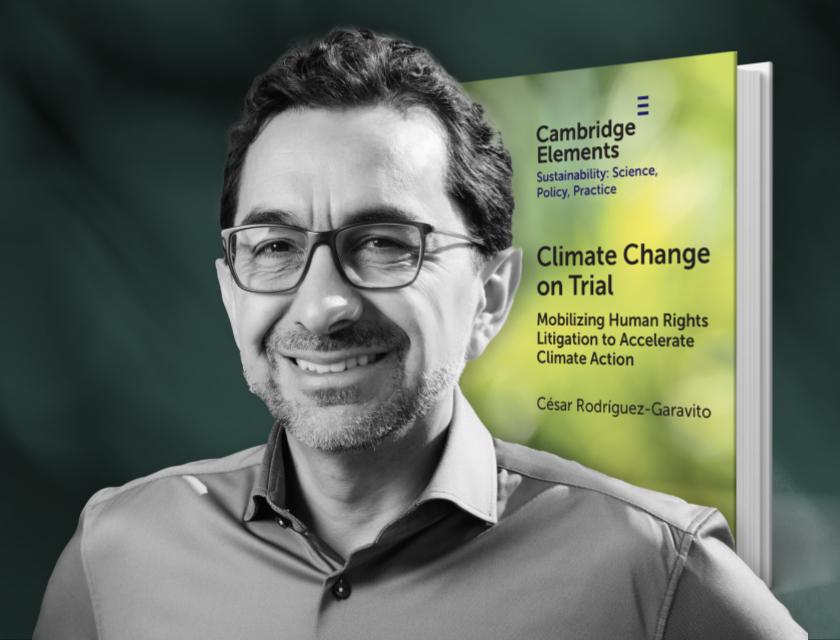
Climate Change on Trial

From landmark court decisions to emerging legal strategies, explore two decades of rights-based climate litigation through a comprehensive learning platform. Start with the free Coursera course, explore in-depth and digestible video explainers, or download the open-access Climate Change on Trial book in English, Spanish, or Portuguese.
Cape High Court in Cape Town, frontal view. Established in 1828.
Articles

Addressing the Climate Emergency: The Untapped Potential of South African Constitutional Law

How can South African constitutional law strengthen climate litigation? This article examines cases challenging fossil fuel projects, identifies gaps in litigation over climate policy and adaptation, and explores the potential of environmental rights, socioeconomic rights, and corporate accountability.