Historic Victory in Held v. Montana

Access resource
Following the 2023 trial court ruling, CLX hosted a webinar with Phil Gregory, counsel for the youth plaintiffs and Of Counsel with Our Children’s Trust, about Held v. Montana and its implications for rights-based climate litigation.
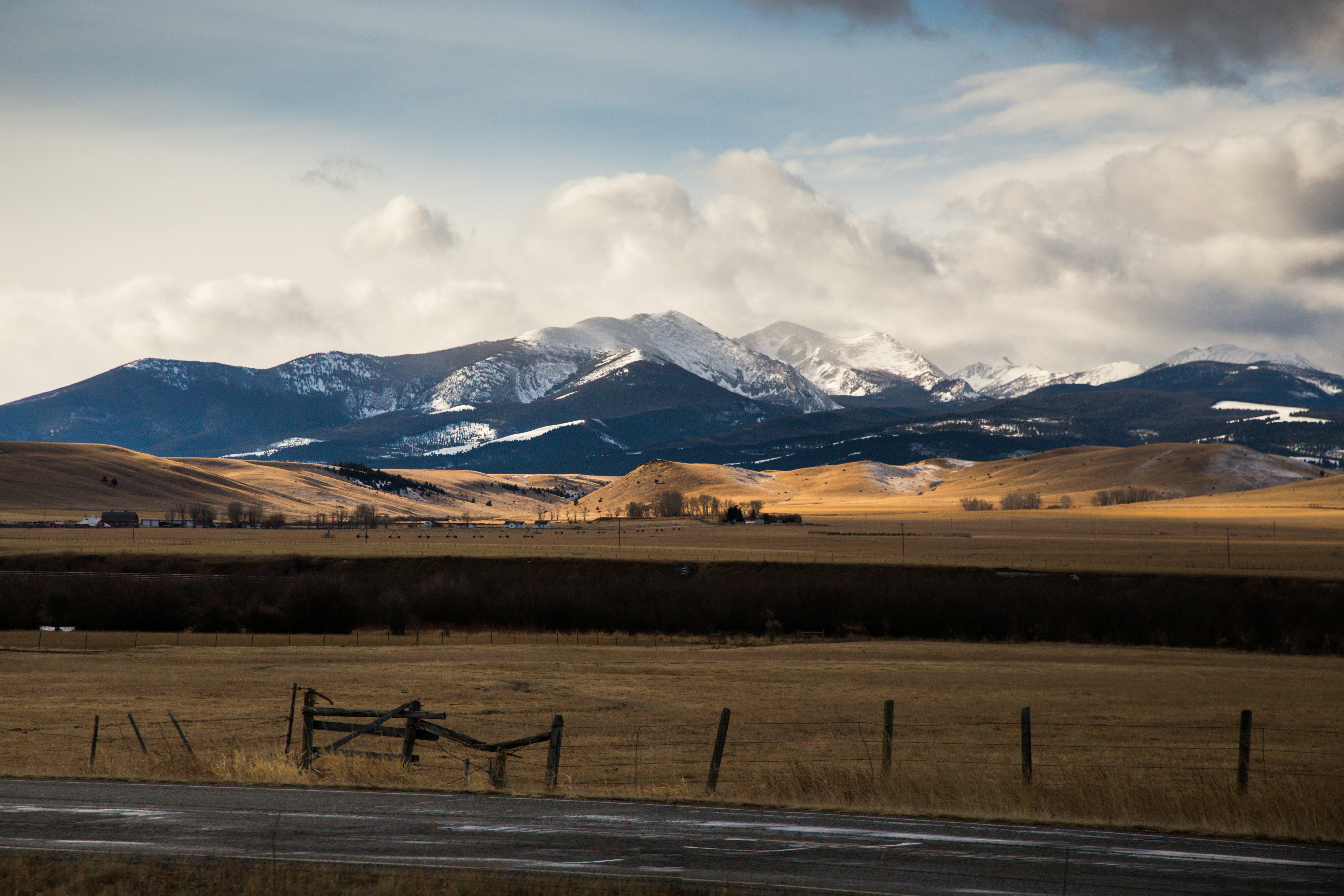
Credit: Matthew Lancaster / Unsplash

In August 2023, the First Judicial District Court of Montana handed down a historic win for the youth-led climate movement and rights-based climate litigation. In Held v. Montana, 16 youth plaintiffs brought a lawsuit claiming that Montana’s fossil fuel policies violated their constitutional rights, including their right to a healthy environment. The lawsuit challenged a provision of the Montana Environmental Policy Act (MEPA), known as the MEPA Limitation, which barred consideration of climate change when considering whether to authorize fossil fuel projects.

In its ruling, the court held that the MEPA Limitation violated the youth plaintiffs’ right to a “clean and healthful environment” – which includes the climate system— by facilitating Montana’s “globally significant” greenhouse gas emissions. The court found that the youth plaintiffs were already experiencing harms from climate change, and that these harms were likely to get worse over the course of their lifetimes. The decision sets a powerful precedent for rights-based climate litigation in the U.S. and around the world.

In this webinar, César Rodríguez-Garavito speaks with Phil Gregory, counsel for the youth plaintiffs and Of Counsel with Our Children’s Trust, about Held v. Montana and its implications for rights-based climate litigation.

Highlights

In this CLX webinar, Phil Gregory, co-lead trial counsel for the youth plaintiffs in Held v. Montana, discusses the 2023 trial court victory and what it could mean for youth-led climate litigation. The conversation covers the constitutional claim, the evidence presented at trial, the plaintiffs’ testimony, and the decision’s practical implications. (Starts around 6:00)

The plaintiffs challenged a provision of the Montana Environmental Policy Act that barred state agencies from considering greenhouse gas emissions and climate impacts when reviewing proposed projects. They argued that this restriction conflicted with Montana’s constitutional guarantee of a “clean and healthful environment.” Gregory explains how the case came to focus on that provision before trial. (Around 7:30–11:40)

The court held that the restriction on considering climate impacts violated the youth plaintiffs’ constitutional right to a clean and healthful environment. Gregory explains that the court drew on evidence of the plaintiffs’ injuries, Montana’s role in greenhouse gas emissions, and the state’s actions concerning fossil fuels. The ruling removed the restriction that had prevented agencies from considering those impacts. (Around 17:30–19:30)

Gregory describes a trial strategy that paired expert testimony with the youth plaintiffs’ accounts of how climate change affected their lives in Montana. Experts addressed climate science, the state’s emissions, and impacts on glaciers, water, health, and other aspects of the environment. Gregory emphasizes the importance of building a detailed evidentiary record that the court could use in its decision. (Around 13:00–26:30)

The plaintiffs described their own experiences of climate harm, giving the court a direct account of what was at stake. Gregory discusses the preparation involved in bringing young people into litigation and says their testimony was among the most compelling parts of the trial. He also reflects on how participating in the case gave the plaintiffs a way to act on their concerns. (Around 27:00–32:30)

Gregory discusses how the trial and ruling may offer a model for lawyers bringing rights-based climate claims, particularly where constitutional protections for the environment exist. He points to the combination of youth testimony, scientific evidence, and a claim about government action as features other litigators could examine. The webinar presents these as potential lessons from the case, rather than a ruling that binds courts outside Montana. (Around 12:00–13:00 and 41:15–46:10)

No. The webinar distinguishes between requiring agencies to consider climate impacts and determining the outcome of a particular permit application. In response to an audience question, Gregory discusses how climate evidence and the court’s reasoning could matter in future permitting decisions and legal challenges. (Around 47:30–50:55)

The conversation is useful for climate litigators, advocates, students, and researchers interested in youth-led cases, constitutional environmental rights, and the use of scientific and personal testimony at trial. It offers a trial lawyer’s account of how the Held case was prepared and presented.

Yes. CLX resources are open-access and may be cited with attribution. If you plan to reproduce substantial portions of the text or figures, please reach out to our team first.

Reports and working papers go through internal review by CLX researchers and, where noted, external subject-matter experts. Educational materials and commentary are reviewed for accuracy but are not formally peer-reviewed academic publications.

Climate litigation moves quickly, and case law referenced here reflects the state of play at the time of publication. Where a resource is part of an ongoing series or learning kit, later installments may reflect more recent developments.

Absolutely — many of our resources, including learning kits and video series, are designed for classroom and clinic use. Non-commercial educational use is encouraged; contact us for permissions on commercial training programs.

You might also like

Articles

Loss & Damage Hub

Helping impacted communities, advocates, and decision-makers address the loss and damage caused by climate change.
Books

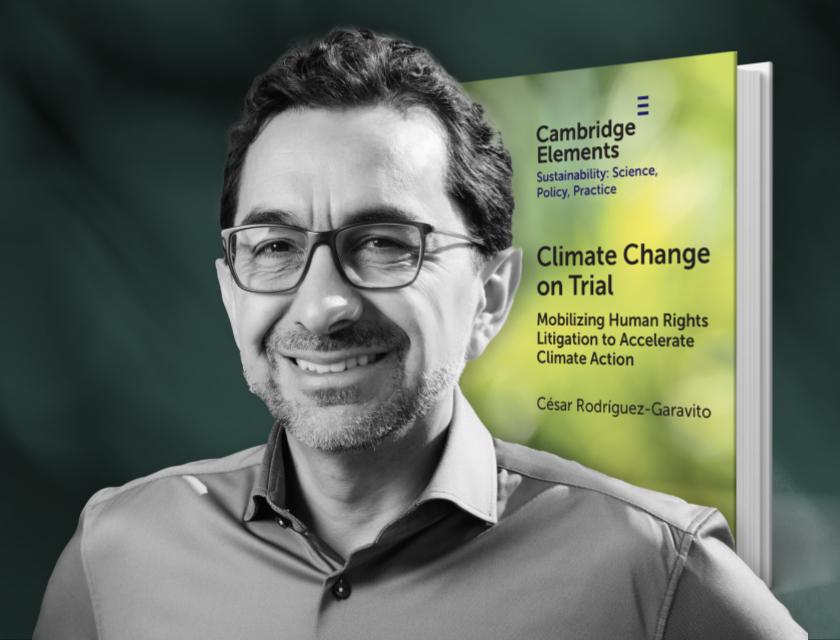
Climate Change on Trial

From landmark court decisions to emerging legal strategies, explore two decades of rights-based climate litigation through a comprehensive learning platform. Start with the free Coursera course, explore in-depth and digestible video explainers, or download the open-access Climate Change on Trial book in English, Spanish, or Portuguese.
Cape High Court in Cape Town, frontal view. Established in 1828.
Articles

Addressing the Climate Emergency: The Untapped Potential of South African Constitutional Law

How can South African constitutional law strengthen climate litigation? This article examines cases challenging fossil fuel projects, identifies gaps in litigation over climate policy and adaptation, and explores the potential of environmental rights, socioeconomic rights, and corporate accountability.