On July 3, 2025, the Inter-American Court of Human Rights issued an Advisory Opinion OC-32/25 on the Climate Emergency and Human Rights. Requested by Colombia and Chile, the opinion sets out how States’ human rights obligations apply to the causes and impacts of climate change. CLX, which participated in the advisory process through written submissions and oral hearings, convened this webinar to examine the opinion shortly after its release.
César Rodríguez-Garavito, David Boyd, Elisa Morgera, and Theresa Amor-Juergenssen discuss how the opinion builds on two decades of rights-based climate litigation. They examine the Court’s recognition of a right to a healthy climate, derived from the right to a healthy environment, and its attention to the interests of present and future generations and Nature. The conversation also addresses the Court’s more detailed guidance on mitigation, adaptation, corporate regulation, and access to justice.
The panel considers how the opinion’s standards could be put to work. Morgera discusses State duties to regulate business emissions, require due diligence, and address climate disinformation. Amor-Juergenssen reflects on the role of young people in the advisory process and on the need for participation and legal procedures that can account for future generations. Boyd examines the right to a healthy climate and its connection to the protection of ecosystems. The speakers also explore the Court’s treatment of the right to science, including the importance of local, traditional, and Indigenous knowledge in climate decision-making.
The discussion is attentive to what remains unresolved. Panelists call for clearer action on fossil fuels, corporate responsibility, and compensation for climate-related loss and damage. They also consider how advocates, governments, and courts can translate the opinion into domestic law and practice.
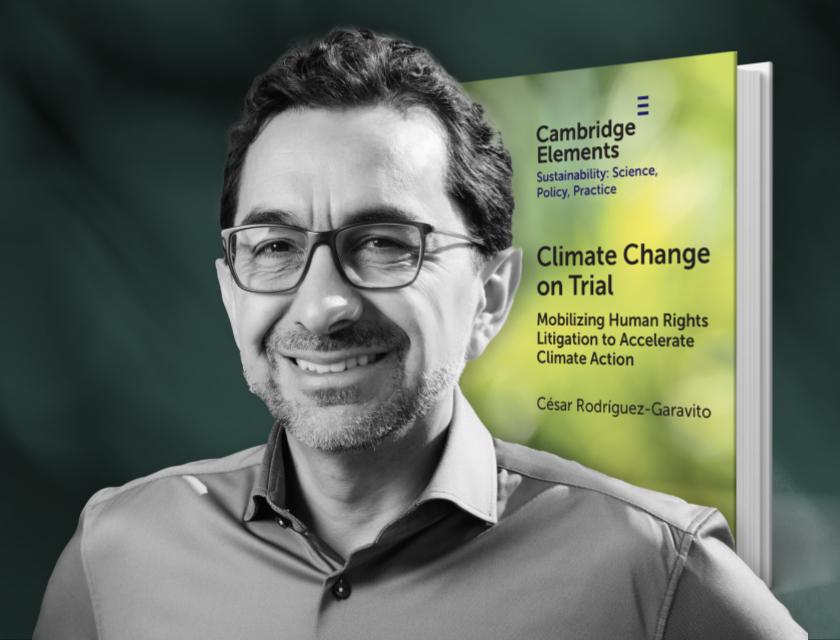
In addition to discussing the landmark ruling, this webinar also marks the launch of Climate Change on Trial, an open-access book – written by César Rodríguez-Garavito and based on CLX’s original case database – that tells the twenty-year rise and global diffusion of human rights-based climate change litigation, which ultimately culminated in the IACtHR’s advisory opinion.