The Climate Cover-Up: Seeking Compensation for Corporate Deception

Access resource
In this CLX webinar, Ben Franta examines what fossil fuel companies knew about climate change, how they communicated its risks, and the evidence behind U.S. lawsuits seeking compensation for climate-related costs and accountability for alleged deception.
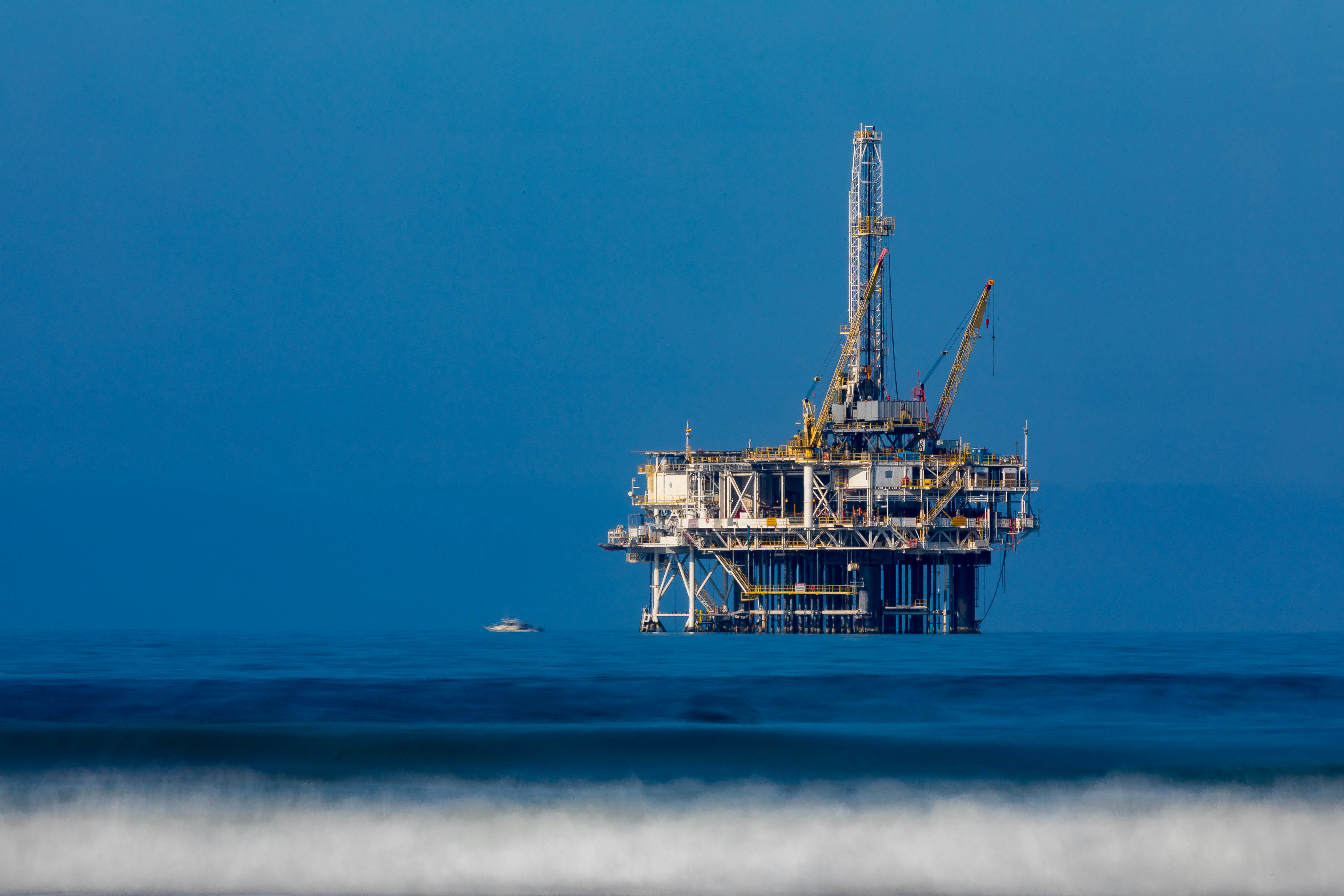
Credit Source: Arvind Vallabh / Unspash

Dozens of states and local governments across the U.S. have sued major fossil fuel companies over their decades-long effort to spread disinformation about climate change. This effort was remarkably successful; by 2010, close to half of all U.S. residents doubted whether climate change was real and efforts to regulate greenhouse gases were stalled. Now, governments are demanding that the fossil fuel industry compensate them for their costs resulting from climate change impacts.

In this webinar, CLX hosts Ben Franta, Senior Research Fellow in Climate Litigation at the Oxford Sustainable Law Programme and founding head of the Climate Litigation Lab, to discuss lawsuits brought by U.S. states and local governments against major fossil fuel companies over climate disinformation and the costs of climate change.

Highlights

In this CLX webinar, Ben Franta discusses the fossil fuel industry’s historical knowledge of climate change, its public messaging about climate risks, and U.S. lawsuits seeking to hold companies accountable for alleged deception and climate related costs. The conversation covers internal company documents, legal claims brought by states and local governments, climate attribution science, corporate defenses, and the potential significance of discovery.

Franta describes warnings to the industry dating back to the 1950s and internal research conducted by companies in later decades. He highlights a 1979 Exxon memo examining how to avoid a buildup of carbon dioxide and discusses company projections of warming and its impacts. These documents, he explains, help establish what companies understood when they made public statements about climate change. (Around 6:20–16:10)

Franta identifies three broad strategies: emphasizing uncertainty in climate science; presenting controls on fossil fuels as economically costly while downplaying the costs of climate change; and promoting measures he argues could preserve fossil fuel use while appearing to address the problem. His examples include natural gas, efficiency improvements, carbon offsets, and later messaging about carbon capture. (Around 19:00–25:40)

The conversation focuses on lawsuits brought by U.S. states and local governments seeking to recover costs associated with climate impacts, including adaptation expenses. It also covers consumer protection claims concerning allegedly misleading statements about fossil fuel products or companies’ climate activities. Franta discusses public nuisance claims and, in the Puerto Rico litigation, claims under the federal RICO statute. (Around 26:00–33:20)

Franta describes several questions: how much climate change intensified a particular impact, what costs followed, and what share of responsibility might be attributed to a defendant. Climate attribution research, damage estimates, and emissions accounting can inform those questions. Connecting deception to additional harm presents a further challenge; Franta discusses comparing what happened with a scenario in which companies had disclosed what they knew. He notes that there is no standard method for making that comparison. (Around 38:00–45:30)

Discovery may give plaintiffs access to additional corporate records concerning climate research, public messaging, and efforts to influence policy. Franta compares its potential role to the release of internal documents in tobacco litigation: the records could affect both the legal claims and public understanding of the industry’s conduct. (Around 35:45–37:55)

Franta discusses arguments that climate risks were already common knowledge, that certain company statements are protected speech, and that federal law prevents some state law claims. He also explains disputes over whether the cases should proceed in state or federal court. The webinar describes these arguments as they stood at the time of the conversation. (Around 45:35–52:05)

The conversation is useful for climate litigators, researchers, advocates, journalists, and students seeking an introduction to U.S. climate deception litigation. It is particularly relevant to readers examining internal industry documents, consumer protection claims, climate attribution, and claims for the costs of climate impacts.

Yes. CLX resources are open-access and may be cited with attribution. If you plan to reproduce substantial portions of the text or figures, please reach out to our team first.

Reports and working papers go through internal review by CLX researchers and, where noted, external subject-matter experts. Educational materials and commentary are reviewed for accuracy but are not formally peer-reviewed academic publications.

Climate litigation moves quickly, and case law referenced here reflects the state of play at the time of publication. Where a resource is part of an ongoing series or learning kit, later installments may reflect more recent developments.

Absolutely — many of our resources, including learning kits and video series, are designed for classroom and clinic use. Non-commercial educational use is encouraged; contact us for permissions on commercial training programs.

You might also like

Articles

Loss & Damage Hub

Helping impacted communities, advocates, and decision-makers address the loss and damage caused by climate change.
Three students holding a book
Books

Climate Change on Trial

From landmark court decisions to emerging legal strategies, explore two decades of rights-based climate litigation through a comprehensive learning platform. Start with the free Coursera course, explore in-depth and digestible video explainers, or download the open-access Climate Change on Trial book in English, Spanish, or Portuguese.
Cape High Court in Cape Town, frontal view. Established in 1828.
Articles

Addressing the Climate Emergency: The Untapped Potential of South African Constitutional Law

How can South African constitutional law strengthen climate litigation? This article examines cases challenging fossil fuel projects, identifies gaps in litigation over climate policy and adaptation, and explores the potential of environmental rights, socioeconomic rights, and corporate accountability.