How can a climate law protect freedom today while leaving tomorrow’s generation to make the most difficult emissions cuts? That question is at the heart of the German Federal Constitutional Court’s 2021 climate ruling.
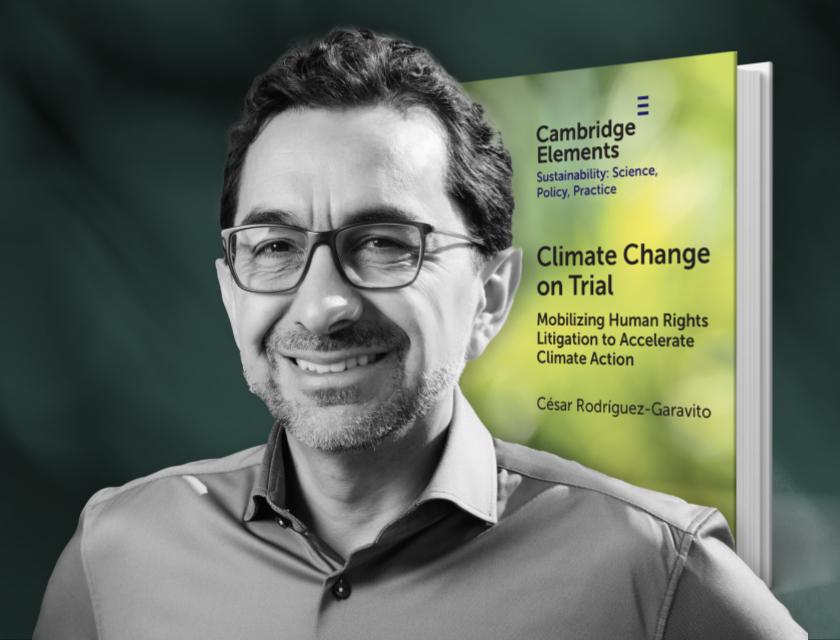
In this May 20, 2021 webinar, CLX brought together Lisa Göldner of Greenpeace Germany, public law scholar Michaela Hailbronner, and constitutional law scholar Mattias Kumm. Moderated by César Rodríguez-Garavito, the conversation examines the ruling’s legal reasoning, the campaign behind one of the constitutional complaints, and its possible implications beyond Germany.
The Court found that Germany’s 2019 Climate Change Act allowed emissions through 2030 without providing a sufficiently clear path for reductions from 2031 onward. Because carbon dioxide emissions accumulate, using much of the remaining carbon budget now could force far more severe restrictions on freedom later. The Court therefore required lawmakers to specify the post-2030 reduction pathway. The panel discusses this understanding of fundamental rights as guarantees of freedom across time and the role of Article 20a of Germany’s Basic Law, which requires the state to protect the natural foundations of life with responsibility toward future generations.
The speakers also examine questions that reach beyond the case. Kumm explains why a country cannot avoid climate action by pointing to other countries’ emissions: national measures help sustain the trust needed for international cooperation. Hailbronner considers whether courts elsewhere could apply similar reasoning when governments have committed to climate neutrality, even without a provision like Article 20a. Both discuss how courts can use scientific evidence and climate commitments while leaving room for democratic decisions about how to meet them.
Göldner describes the coalition of young complainants, campaigners, lawyers, and scientists behind the case and the government’s swift announcement of stronger targets after the ruling. She ends with a practical distinction: setting targets does not itself reduce emissions.