Can rights-based lawsuits help protect biodiversity? This article examines 49 cases across 20 jurisdictions, identifying emerging claims based on human rights, Indigenous peoples’ rights, and the rights of nature—and the questions courts and advocates must still address.
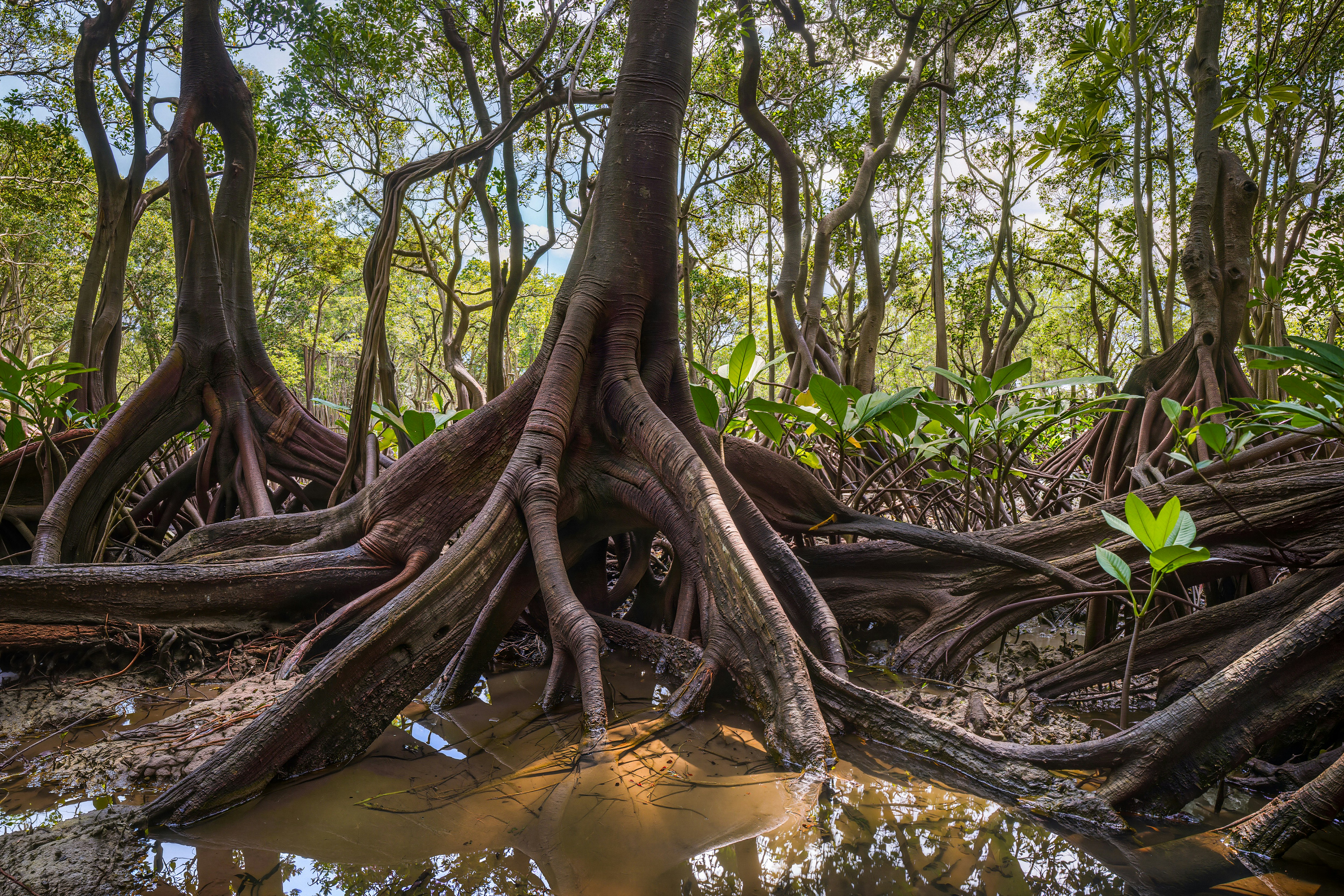
Credit: Orpita Akther Ratna / Unsplash

Biodiversity loss is increasingly appearing in lawsuits framed around human rights, Indigenous peoples’ rights, and the rights of nature. An article in Transnational Environmental Law asks whether these cases signal a “rights turn” in biodiversity litigation, drawing on a preliminary review of 49 cases across 20 jurisdictions. 

The article identifies four overlapping approaches: claims based on the right to a healthy environment; other rights, including life, health, food, and culture; Indigenous peoples’ rights; and the rights of nature. Cases concerning deforestation, mining, and damage to rivers and ecosystems show how these claims can bring biodiversity loss before courts.

The authors find early signs of a rights turn, while noting that the connection between biodiversity loss and rights is often left underdeveloped. They consider how lessons from climate litigation and the Kunming–Montreal Global Biodiversity Framework could inform future cases, including efforts to turn biodiversity commitments into effective protection.

Highlights

The article examines how lawsuits connect harm to species and ecosystems with human rights, Indigenous peoples’ rights, and the rights of nature. It reviews developments in biodiversity and rights-based climate litigation, then examines a preliminary, non-exhaustive collection of 49 biodiversity cases from 20 jurisdictions. It groups the cases by the rights they invoke, considers opportunities and challenges for future litigation, and includes a table of cases.

It identifies four overlapping approaches: the right to a healthy environment; other rights such as life, health, food, and culture; Indigenous peoples’ rights; and the rights of nature. A single case may draw on more than one approach.

The article discusses cases involving the protection of Philippine forests, the effects of environmental damage on communities along Colombia’s Atrato River, and threats to Ecuador’s Los Cedros forest from mining. Together, they show how claims can address both ecological harm and its consequences for people and communities.

Indigenous peoples’ claims can connect biodiversity protection with territory, culture, and participation in decisions affecting ancestral lands. Rights of nature claims can ask courts to consider harm to an ecosystem itself. The article treats both as important paths for biodiversity litigation.

The article finds signs of one, but does not claim that a settled shift has occurred. Its case collection is preliminary, and many lawsuits have yet to develop a clear account of how biodiversity loss violates particular rights.

The Kunming–Montreal Global Biodiversity Framework gives advocates commitments and targets—including the goal of conserving 30 percent of land and water areas by 2030—to draw on when assessing government action. The article considers how litigation might help put those commitments into practice; the framework does not automatically create an enforceable domestic claim.

The article is useful for lawyers, community and Indigenous advocates, researchers, and policymakers working on biodiversity protection. Its case survey and legal categories offer a starting point for finding relevant decisions, developing claims, and identifying where stronger evidence or legal arguments are needed.

Yes. CLX resources are open-access and may be cited with attribution. If you plan to reproduce substantial portions of the text or figures, please reach out to our team first.

Reports and working papers go through internal review by CLX researchers and, where noted, external subject-matter experts. Educational materials and commentary are reviewed for accuracy but are not formally peer-reviewed academic publications.

Climate litigation moves quickly, and case law referenced here reflects the state of play at the time of publication. Where a resource is part of an ongoing series or learning kit, later installments may reflect more recent developments.

Absolutely — many of our resources, including learning kits and video series, are designed for classroom and clinic use. Non-commercial educational use is encouraged; contact us for permissions on commercial training programs.

You might also like

Articles

Loss & Damage Hub

Helping impacted communities, advocates, and decision-makers address the loss and damage caused by climate change.
Three students holding a book
Books

Climate Change on Trial

From landmark court decisions to emerging legal strategies, explore two decades of rights-based climate litigation through a comprehensive learning platform. Start with the free Coursera course, explore in-depth and digestible video explainers, or download the open-access Climate Change on Trial book in English, Spanish, or Portuguese.
Cape High Court in Cape Town, frontal view. Established in 1828.
Articles

Addressing the Climate Emergency: The Untapped Potential of South African Constitutional Law

How can South African constitutional law strengthen climate litigation? This article examines cases challenging fossil fuel projects, identifies gaps in litigation over climate policy and adaptation, and explores the potential of environmental rights, socioeconomic rights, and corporate accountability.